
Unlocking the Power of Rivet Nuts: The Ultimate Fastening Solution for Thin Materials

In the world of modern manufacturing and mechanical assembly, securing a strong screw thread into thin materials has always been a major challenge. Standard sheet metal, tubing, or plastics are often too thin to be tapped directly. While welding nuts was once the go-to method, it is time-consuming and can damage the material's surface. Enter the Rivet Nut (also known as a blind nut or nutcert)—a game-changing fastener that offers a seamless solution.
What is a Rivet Nut?
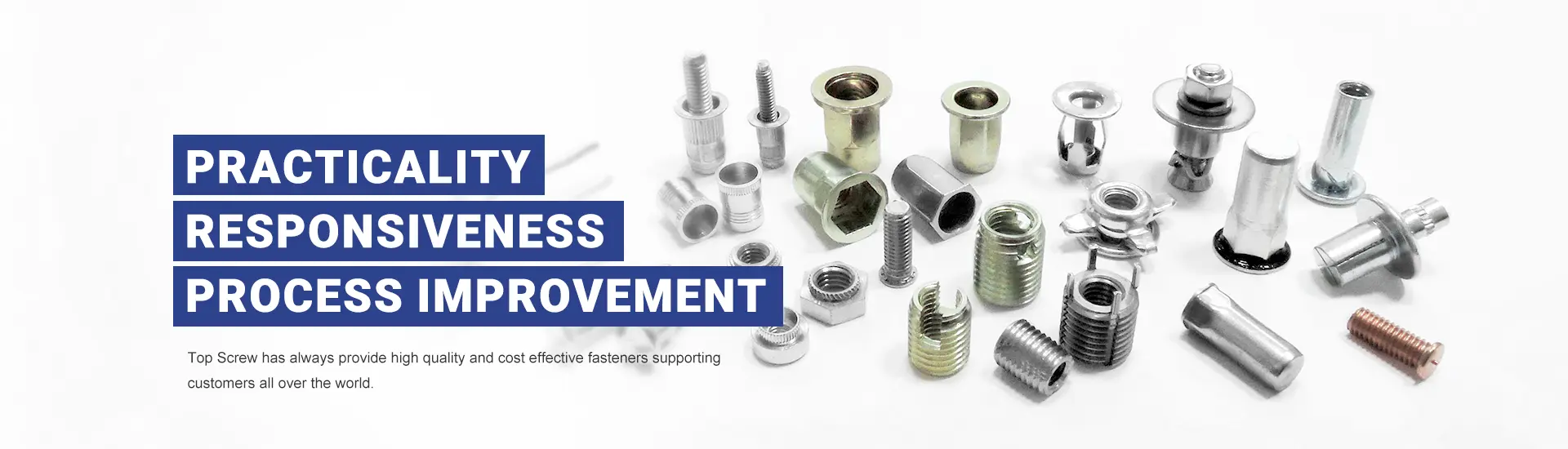
A rivet nut is a one-piece internally threaded counterbored tubular rivet that can be anchored entirely from one side of the material. This "blind installation" capability means you don't need access to the backside of the workpiece. When installed using a specialized rivet nut tool, the unthreaded sleeve of the nut collapses, forming a bulge on the blind side that securely clamps the material, leaving a clean, high-strength permanent thread.
Key Advantages of Rivet Nuts
Preserves Material Integrity: Since installation requires no heat, rivet nuts will not warp the base material or ruin pre-painted, coated, or plated surfaces. They are ideal for sensitive materials like aluminum, fiberglass, and carbon fiber.
High Efficiency & Cost-Effective: Installing a rivet nut takes only a matter of seconds, especially when using pneumatic or electric tools. This drastically reduces labor hours and streamlines assembly lines compared to traditional welding or tapping methods.
Exceptional Thread Strength: Even when placed in brittle or ultra-thin sheets, rivet nuts provide a robust, reusable thread that can withstand significant torque and vibration without stripping.
Where are they used?
Rivet nuts are the unsung heroes across countless industries. In the automotive sector, they secure dashboards, roof racks, and chassis components. In aerospace and rail transport, they are vital for lightweight body construction. You can also find them closer to home in metal furniture, solar panel racks, electronics enclosures, and marine equipment.
As industries continuously push for lightweight designs and automation, the reliance on rivet nuts continues to grow. By choosing the right material (steel, aluminum, or stainless steel) and body style (knurled, hex, or smooth), you can elevate the durability and efficiency of any engineering project.